LifeWatch BEeS 2026

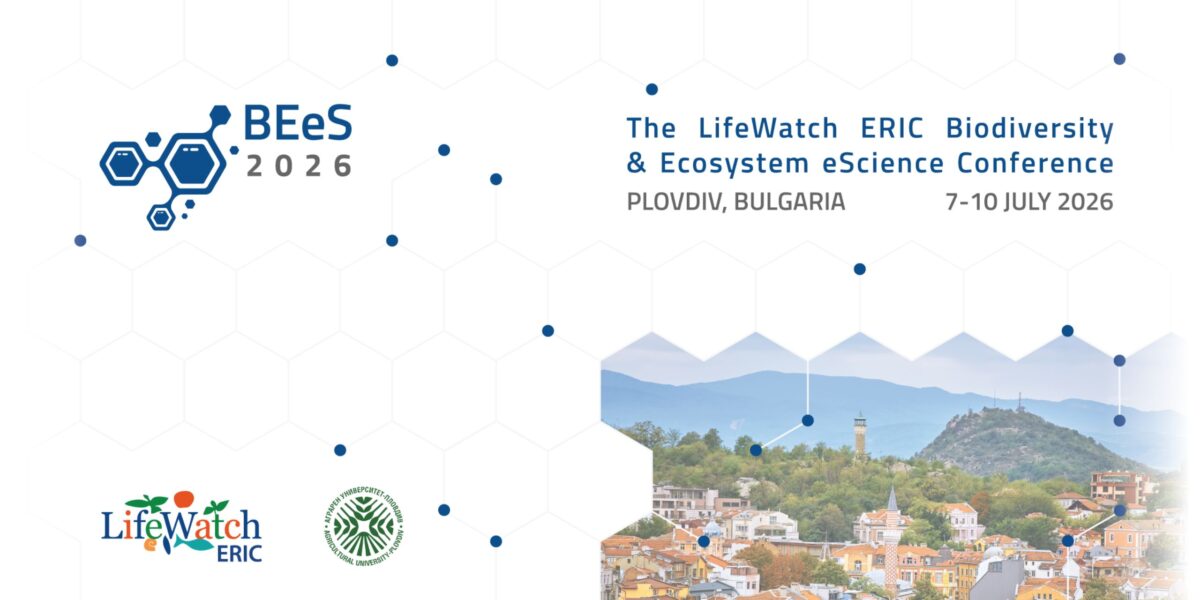
BEeS 2026 gathers researchers, policymakers, and experts to address threats and challenges to biodiversity and ecosystem conservation from an eScience perspective.

The LifeWatch ERIC Biodiversity & Ecosystem eScience Conference

LifeWatch ERIC Biodiversity and Ecosystem eScience Conference (BEeS) is back! This summer, we are pleased to invite you to Plovdiv, Bulgaria, for a four-day event, from 7 to 10 July. BEeS is LifeWatch ERIC’s flagship forum for eScience in biodiversity and ecosystem research, emphasising interoperable data, reproducible workflows, and reusable digital services.

LifeWatch Bulgaria hosts the 2026 edition of the conference at the Agricultural University-Plovdiv. Bulgaria joined LifeWatch ERIC in 2022 as one of its eight Distributed Centres. The event also showcases how LifeWatch ERIC services and communities support collaboration across the infrastructure.

BEeS 2026 will bring together scientists, experts, and innovators to explore challenges and emerging opportunities in biodiversity and ecosystem science. Through a series of high-level plenary sessions, the conference will address critical topics including biodiversity conservation and species extinctionecosystem responses to climate change, the role of agroecology in sustainable systems, and the latest frontiers in eScience technologies.

The programme is complemented by thematic sessions aligned with LifeWatch ERIC Thematic Service Working Groups, focusing on practical methods, workflows, and service-enabled science.

This event promotes dialogue across disciplines and highlights the importance of integrating ecological knowledge, technological innovation, and policy frameworks, acting as a platform to explore collaborative solutions for understanding, protecting, and managing biodiversity. A key aim is to accelerate uptake of decision-relevant evidence products that are transparent, traceable, and comparable across regions.

Registrations are open!

ENVRI-Hub NEXT at BEeS 2026

7-10 July 2026 | Plovdiv, Bulgaria

The ENVRI-Hub NEXT team is providing two training activities at BEeS 2026, focusing on the upgraded ENVRI-Hub:

  • ENVRI-Hub tools and VREs for researchers #1: an introduction. Trainers: Zhiming Zhao, Eleonora Parisi, Koen Greuell, Gabriel Pelouze | LifeWatch ERIC
    Description: Environmental and Earth sciences rely on diversity data from different infrastructures: from ocean temperatures to biodiversity records, from climate indicators to geological observations. This diversity, however, poses challenges for data science and AI practitioners: datasets use different metadata standards, come in varied formats, and are hard to access and link across research infrastructures. This training session will explain how the ENVRI-Hub, a software platform unifying multi research infrastructure in Environmental and Earth sciences, address these challenges through tools such as Knowledge Base (Search engine) and LLM-powered Environment Expert agents. It will also highlight the contribution from LifeWatch, such as analysing datasets through a Jupyter based Virtual Research Environment.
  • ENVRI-Hub tools and VREs for researchers #2: hands-on practice.Trainer: Koen Greuell | LifeWatch ERIC
    Description: In this hands-on NaaVRE workshop, you’ll explore pre-built cloud workflows and tailor one to your research needs.
    Select a workflow, adjust its parameters, and enhance it by designing and implementing your own modifications in the source code.
    Run your updated workflow and share it with peers, gaining hands-on experience in collaborative and scalable research.
    This workshop requires some experience in scripting in R or Python.

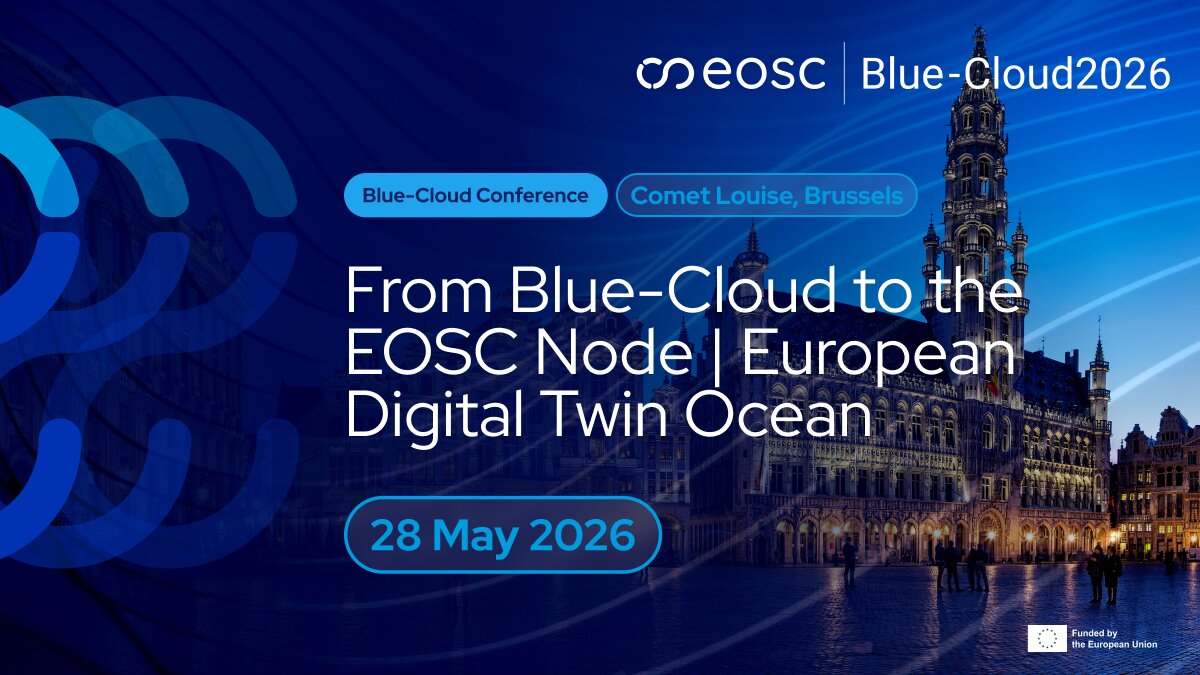
From Blue-Cloud to the EOSC Node | European Digital Twin Ocean – Blue-Cloud 2026 Conference

28 May 2026 | Brussels, Belgium

Europe’s ambition to restore and protect its oceans and waters relies increasingly on open, interoperable, and trusted digital infrastructures capable of transforming data into actionable knowledge.

Over the past years, Blue-Cloud has played a foundational role in federating marine and environmental data, services, and analytical tools across Europe. Through close alignment with the European Open Science Cloud (EOSC), Blue-Cloud has demonstrated how cloud-based, open science environments can support ocean research, innovation, and policy making.

This work directly contributes to the objectives of the EU Mission: Restore our Ocean and Waters, the EU Digital Twin of the Ocean (including EDITO, its core public infrastructure), and the UN Ocean Decade, by enabling data-driven solutions for ocean sustainability.

As Blue-Cloud 2026 reaches its conclusion, the project hands over a mature, policy-aligned digital legacy: the EOSC Node | European Digital Twin Ocean, is progressing towards operational integration within the EOSC Federation.

Participants will leave with first-hand experience of the EOSC Node European Digital Twin Ocean, insights into Blue-Cloud’s legacy, and a clear view of Europe’s path toward a federated, policy-aligned digital ocean ecosystem, aligned with the goals of EU Mission: Restore our Ocean and Waters, the EDITO, and the UN Ocean Decade.

ENVRI-Hub NEXT at the event

Tjerk Krijger (MARIS B.V. / SeaDataNet) presented the ENVRI-Hub NEXT poster “Enabling access to ECV-related observation datasets from environmental Research Infrastructures”.

GEORGE webinar series: “Marine Research Infrastructure data practices – from data collection to access”

GEORGE project is pleased to announce a webinar series dedicated to the data collection, processing and accessing practices of the marine Research Infrastructures (RIs) within GEORGE.

This three-part webinar series focuses on the data practices of the three different marine RIs: EMSO ERICEuro-Argo ERIC, and ICOS ERIC. Each session will cover one RI and provide an overview of how data is produced, processed, stored, and made accessible within that organisation.

Each episode will answer questions such as

  • What are the main data sets or products of the RI?
  • How are the data produced and processed?
  • How can the data be accessed?
  • How do you acknowledge the use of the RI’s data in scientific publications?
  • What criteria does a collaborator, site or station need to meet to become a part of the RI?

This webinar series is designed to help researchers, technicians and stakeholders better understand the data practices of the RIs and to increase understanding and collaboration between the RIs.

The webinars will be held on Zoom. Please register for each webinar episode separately. If you have any questions for the presenters, you may also send them in advance through the registration form.

EMSO ERIC

20 May 202614:00–16:30 CEST

Presented by
Ingrid Puillat – EMSO Director General
Marco Galeotti – EMSO Programme and Industry Relations Officer
Aljaz Maslo – EMSO Data and Science Officer
Simo Cusi – EMSO Engineering and Logistics Officer
Eric Delory – EMSO Canarias Regional Team Leader

Agenda
1- Introduction to EMSO (10′)
2- How to become an EMSO Regional Facility (10′)
3- EMSO Key Scientific Questions (10′)
4- EMSO Observing technologies and sites (20′)
5- EMSO Canarias / ESTOC – Regional Facility point of view (20′)
6- EMSO Data management (20′)
7- EMSO Data Hands On (30′)

Register here.

ICOS ERIC

28 May 2026, 14:00–16:30 CEST

Presented by
Alex Vermeulen – Director of ICOS Carbon Portal
Maiju Tiiri – Observation Network Officer
Steve Jones – Software Architect

1- What is ICOS? Mission and benefits
2- How to become an ICOS station
3- Labelling process guarantees high-quality ICOS data
4- Overview of ICOS data flow
5- Processing data on QuinCe

Register here.

Euro-Argo ERIC

4 June 2026, 14:00–16:30 CEST

Presented by
Romain Cancouët – Operations Manager
Clara Douglas – BGC Science Officer

Detailed agenda to be announced.

Register here.

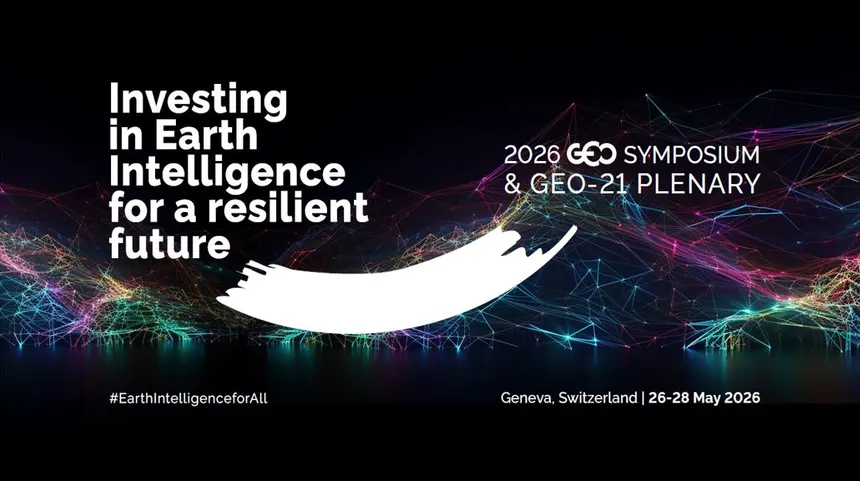
ENVRI-Hub NEXT at the 2026 GEO Symposium

The 2026 GEO Symposium and GEO-21 Plenary are held in Geneva, Switzerland, from 26 to 28 May 2026.

Held under the theme “Investing in Earth Intelligence for a Resilient Future,” the 2026 GEO Symposium and GEO-21 Plenary will convene governments, space agencies, research organizations, private sector innovators, and development partners to explore how Earth Intelligence can drive transformative, resilient solutions for people and the planet at a pivotal moment in the implementation of GEO’s Post-2025 Strategy.

Location: World Meteorological Organization (WMO), 7bis, avenue de la Paix, 211 Geneva 2 – Switzerland

Community Event – GEO In-situ Data Strategy and Its Implementation Plan (ODOK Session)

26 May 26, 11:45 – 13:00 | Salle C1

This session aims to advance understanding and alignment around the GEO in situ data strategy and its endorsement by bringing together key initiatives, user needs, and practical applications of in situ data. It will highlight the role of research infrastructures as custodians of high-quality in situ observations, present mechanisms, for articulating user requirements, and showcase integrated approaches combining Earth observation, citizen science, and non-space data sources for environmental compliance and decision-making.

The session will also introduce the GEO in situ data strategy, inviting feedback and discussion to support its refinement, community buy-in, and formal endorsement.

Presentations

  • ENVRI-Hub Next: A FAIR entry point to Essential Climate Variables – Alessandro Turco (EPOS ERIC, ENVRI-Hub NEXT)
  • GEO and Research Infrastructures as Custodians of In-situ Data – Emmanuel Salmon (ICOS ERIC)
  • G-REQs: The way you can tell us what in-situ data you need  – Alba Brobia (CREAF)
  • Earth Intelligence for Environmental Compliance: Integrating Earth observation and citizen science through ENFORCE – Francesca Piatto (EARSC)
  • From Innovative Non-space Earth Observation to Resilient Decisions: Climate, hazards, and water-land services – Eleni Athanasopoulou (NOA)
  • GEO In-situ Data Strategy (In-situ Data Co-chairs: Helen Glaves, Joan Masó, Leo Chiloane)

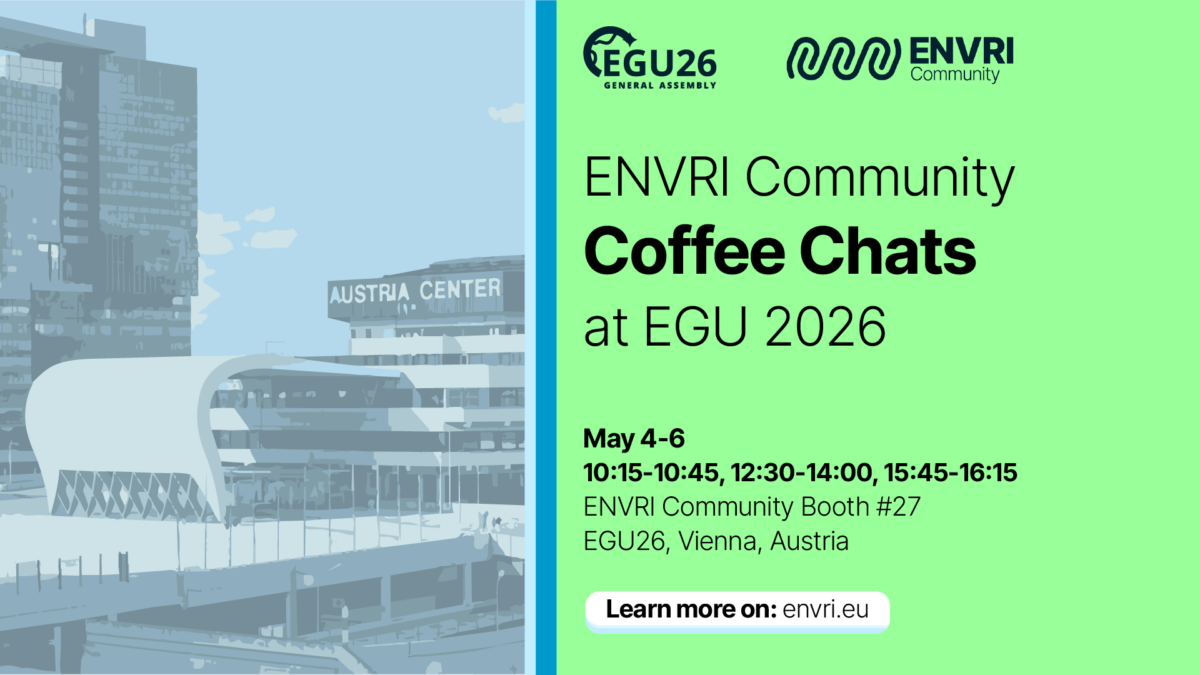
EGU26- ENVRI Coffee chats programme

Learn more about the environmental research infrastructures and supporting projects at EGU26, with a cup of coffee on us. Join our coffee chats at the ENVRI community booth (Entrance Hall, booth 27), Monday until Wednesday.  No registration required.  Come to our booth to discuss the topics of your interest with our experts. Full list of coffee chats below.

Monday, 4 May

13:30-14:00
Fostering the uptake of Open Science in Environmental Sciences – the project OSCARS’ by Andreas Petzold


15:45-16:15
‘Blue-Cloud Virtual Laboratories’ by Cyrielle Delvenne


Tuesday, 5 May

10:15-10:45
‘Advance Marine Research Infrastructures Together (AMRIT)’ by Marie-Aude Bonnardot


12:30-13:00
‘The ENVRI-Hub’ by Ulrich Bundke (FZJ/IAGOS)


13:00-13:30
How can ENVRI Innovation Hub support innovation with RIs’ by Marina Papageorgiou


13:30-14:00
‘SIOS – an Arctic observing system for environmental science: services and opportunities’ by Christiane Hübner


15:45-16:15
‘Showcasing eLTER’s services that promote access to data, and research sites and socio-ecological platforms.’ by Ulf Mallast


Wednesday 6 May

13:00-13:30
‘LifeWatch ERIC for ENVRI: training and knowledge sharing’  by Jacco Konijn (LifeWatch/UvA)


13:30-14:00
‘Showcasing ACTRIS services and access opportunities’  by Ariane Dubost


14:00-14:30

‘The GEORGE project’ by Aljaz Maslo (EMSO ERIC)

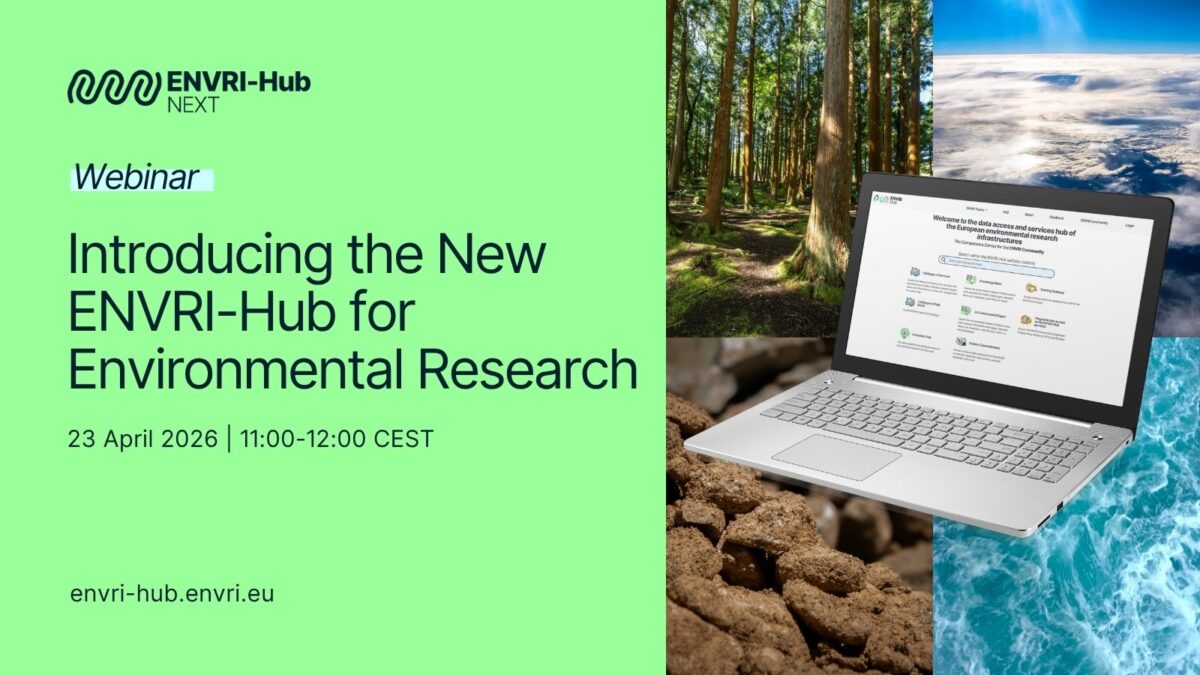
Webinar: Introducing the New ENVRI-Hub for Environmental Research

23 April 2026 – 11:00-12:00 CEST

Join us for the official launch webinar of the upgraded ENVRI-Hub! Over the past two years, the ENVRI-Hub NEXT project has reimagined and rebuilt the central platform for Europe’s environmental research infrastructures (RIs).

In this 60-minute session, we have:

  • Provided a brief overview of the ENVRI-Hub NEXT project and its goals.
  • Introduced the major changes and new architecture of the ENVRI-Hub.
  • Offered live demonstrations of two core new features:
    • The enhanced Catalogue of Services: Discover and access FAIR data and services more intuitively than ever.
    • The intelligent ENVRI Knowledge Base: See how AI-powered, dialogue-based search helps you quickly find datasets, publications, and analytical code.

This webinar is essential for researchers, data scientists, and anyone who relies on integrated environmental data. See firsthand how the new ENVRI-Hub can streamline your workflow and empower your science.

Agenda and Slides

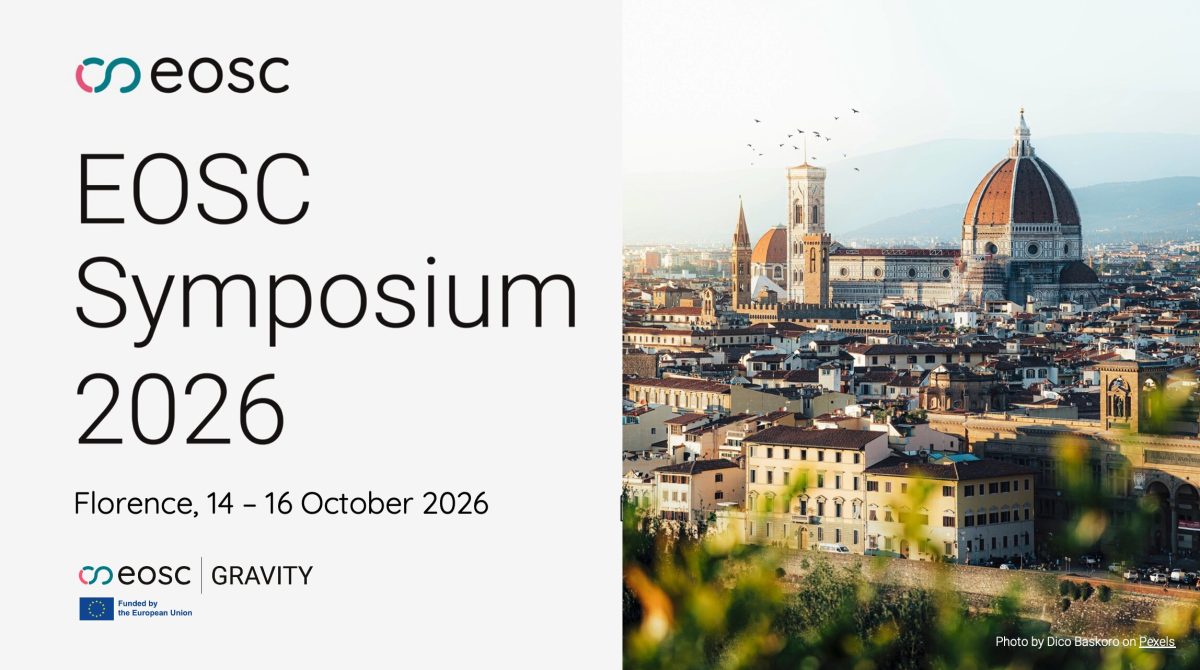
EOSC Symposium 2026

The EOSC Symposium 2026 will take place from 14 to 16 October in Florence, Italy. As the EOSC flagship event, the Symposium annually brings together the entire stakeholder community, including researchers, policy-makers,  organisations and infrastructures to share and celebrate the latest developments around EOSC and the EOSC Federation. Be sure to save the dates in your calendar. Further details coming soon!

ENVRI at EGI2026

The EGI2026 Call for Contributions is open!

Every year, the EGI conference brings together scientists, service providers, technical experts, policy makers, and early-career researchers to present their work, join workshops and trainings, participate in project meetings, and overall to experience the pleasure of meeting each other in person (again). By submitting your proposal for a talk, poster, or demonstration, you get the chance to be part of the programme!

This year, the conference brings us to lovely Ghent, where it will take over the historic 13th-century ‘Bijloke’ venue for an engaging and full conference programme.

The EGI Foundation is the coordinator of the ENVRI-Hub NEXT project.

Deadlines

Call Open: February 24 2026
Deadline: April 13 2026, 23:59 CET

Confirmation of acceptance: On or before April 30. 

Useful Links:

Call for Partners

If you are interested in joining us this year, please consult our Partner Brochure for more details and pricing, and don’t hesitate to reach out have any questions or special requests. 

Polar Argo workshop

Date: 18-19 June 2026
Location: Plouzané, France

Monitoring the high-latitudes oceans is crucial for understanding the ongoing changes of heat, freshwater and sea level in the polar regions and their global impact on the Earth’s climate. Since 2001, Polar Argo floats have proven their ability to perform high-quality, cost-effective, broad-scale observations of the seasonally ice-covered oceans, even sampling underneath ice shelves. Yet, despite significant recent progress, the polar regions remain the most under-sampled regions in the global ocean. Remaining challenges include sustained funding pathways for a scaled-up Polar Argo array, filling observational gaps, and further improving under-ice positioning capability.

Objectives

The workshop will address the specificities important for the implementation of the Polar Argo array in the general framework of the OneArgo design. We aim to review scientific advances made from existing Argo-based studies in the Southern and Northern hemispheres, in order to highlight the scientific motivations behind the future full-scale deployment of the polar Argo array, in particular in the Arctic Ocean and the Polar Marginal Seas at high latitudes. We aim to further include scientific studies arising from synergies with existing modelling, satellite, and other observing system activities in the polar regions. Beyond the scientific studies, the workshop also aims to review and discuss the specificity of the Polar Argo array, in terms of float technology and software and protocols for data management.

Abstract submission and registration is now open

Abstract deadline is 24 April 2026.

More information on Euro-Argo website: https://www.euro-argo.eu/News-Meetings/Meetings/Others/Polar-Argo-workshop

EVERSE Community Engagement Event

Date: 5 February 2026
Location: CERN, Geneva, Switzerland

The EVERSE Network of Research Sofware Quality is a community community that will improve the quality of research software in Europe.

The EVERSE project created a set of guidelines and resources into the RSQkit (Research Software Quality Kit) and the Technology Radar to share existing best practices and ideas.

This event seeks to bring together EVERSE members with  RSEs and researchers who code, to share updates on EVERSE activities, foster knowledge-sharing and cross-domain collaboration, gather feedback and identify priorities.

Whether you are a researcher or RSE, whether you are involved in European Open Science clusters, or undertaking a similar role in academia, labs and industry, this is your chance to learn about these initiatives, and gives us your perspectives.

Thierry Carval (IFREMER & Euro-Argo ERIC) takes part in the session “Science Clusters: Cross-domain experiences and challenges” at 11:00 CET.